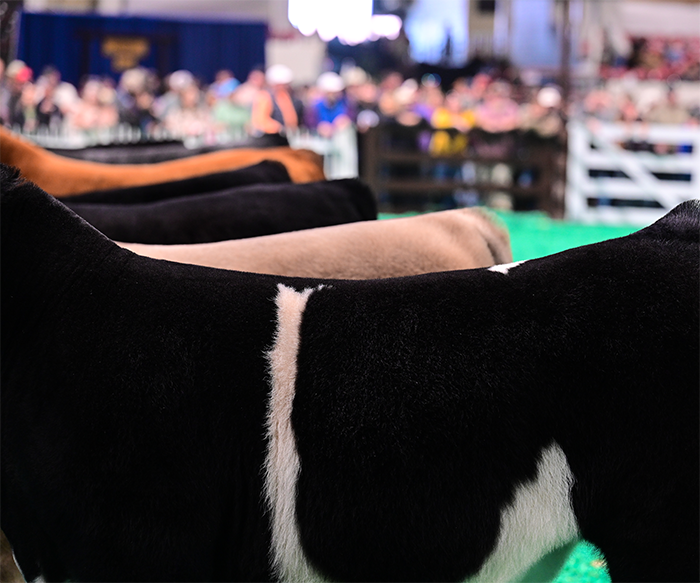
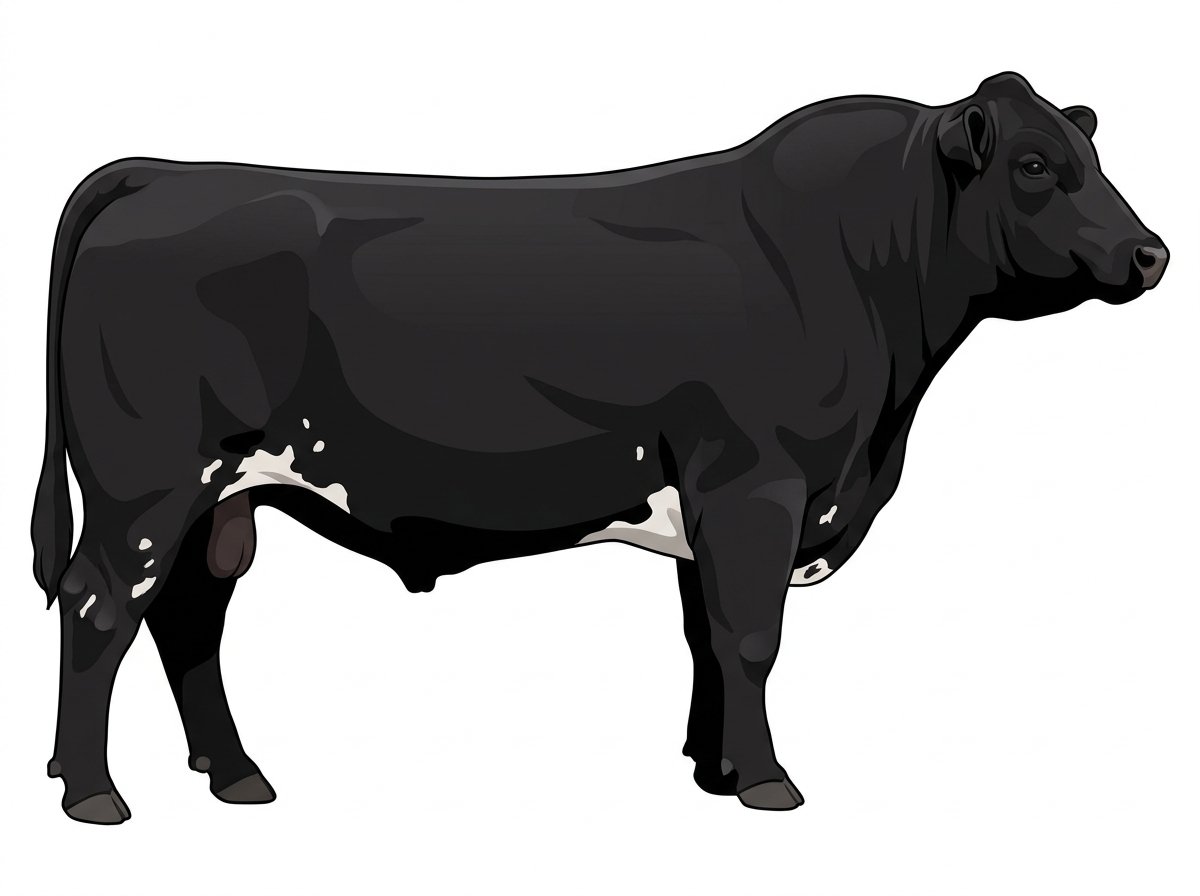
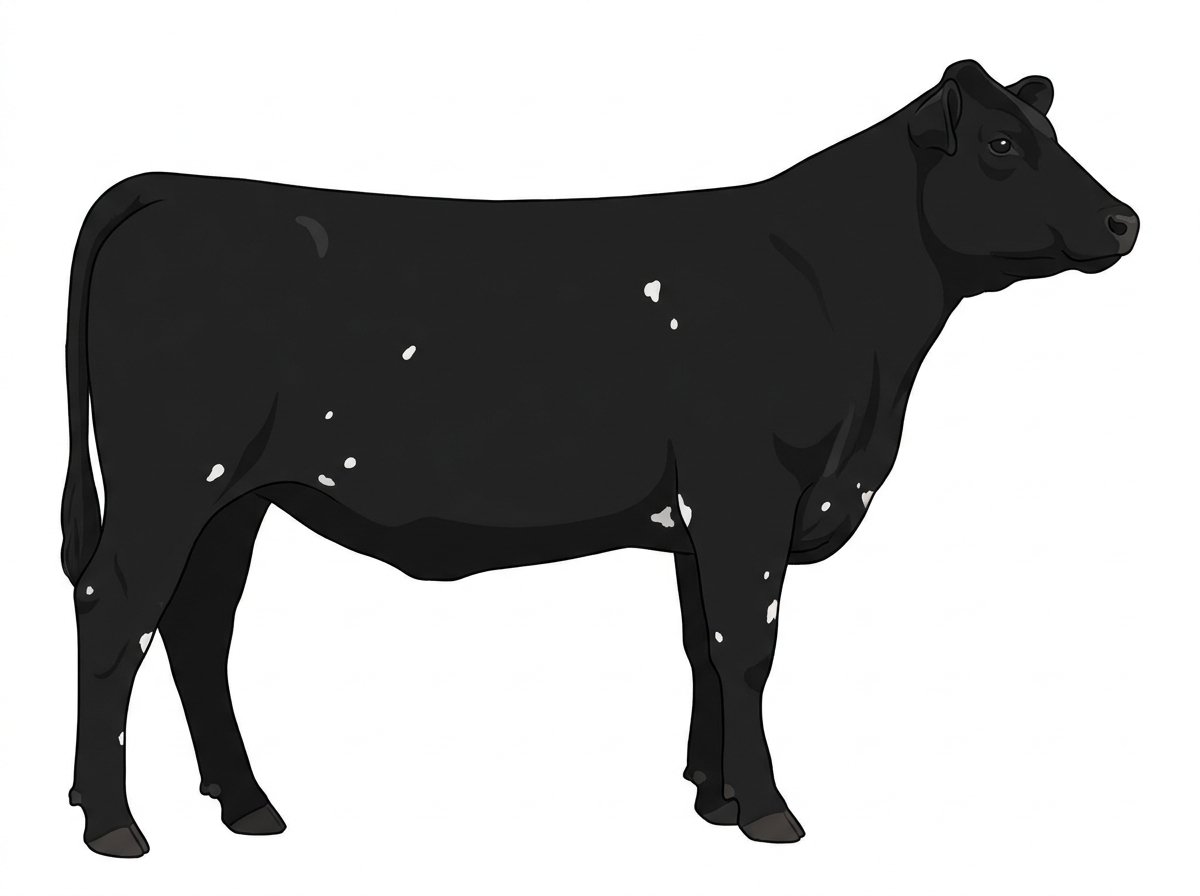
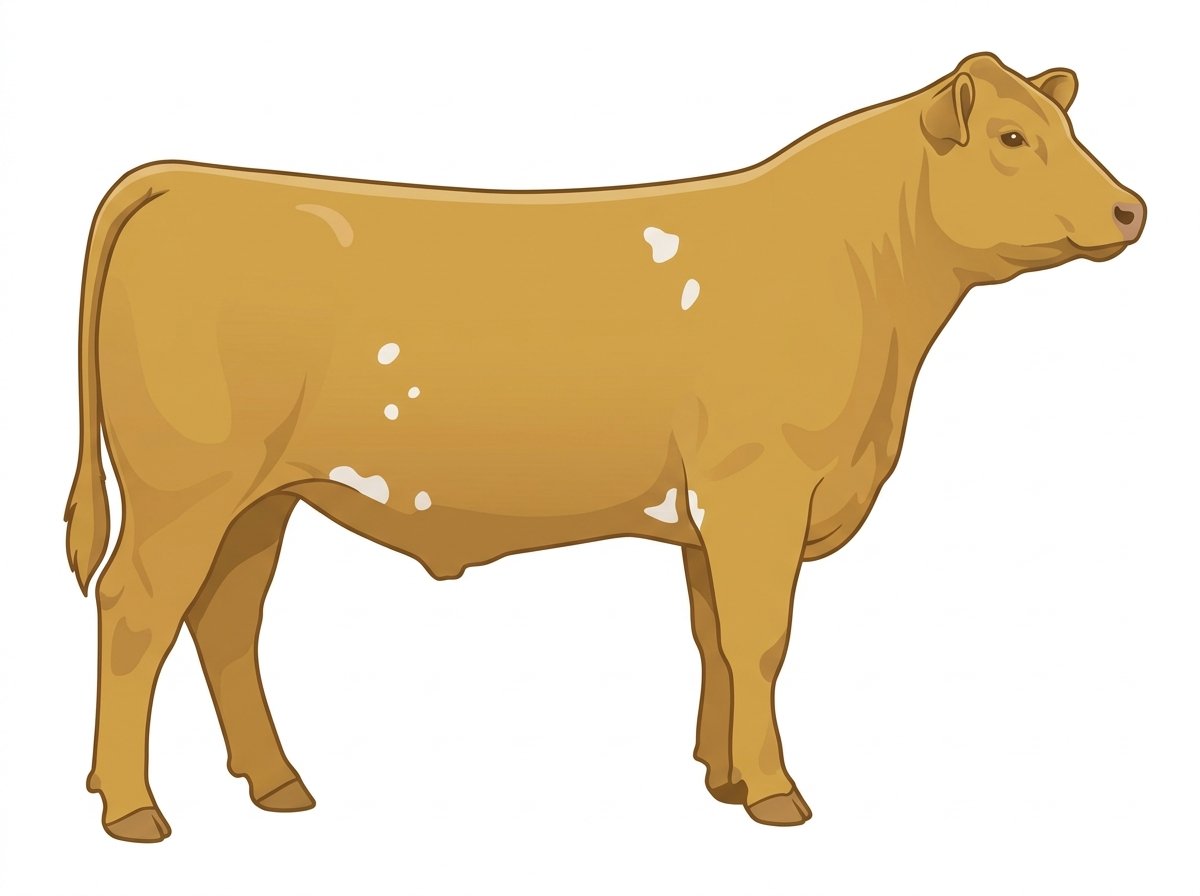
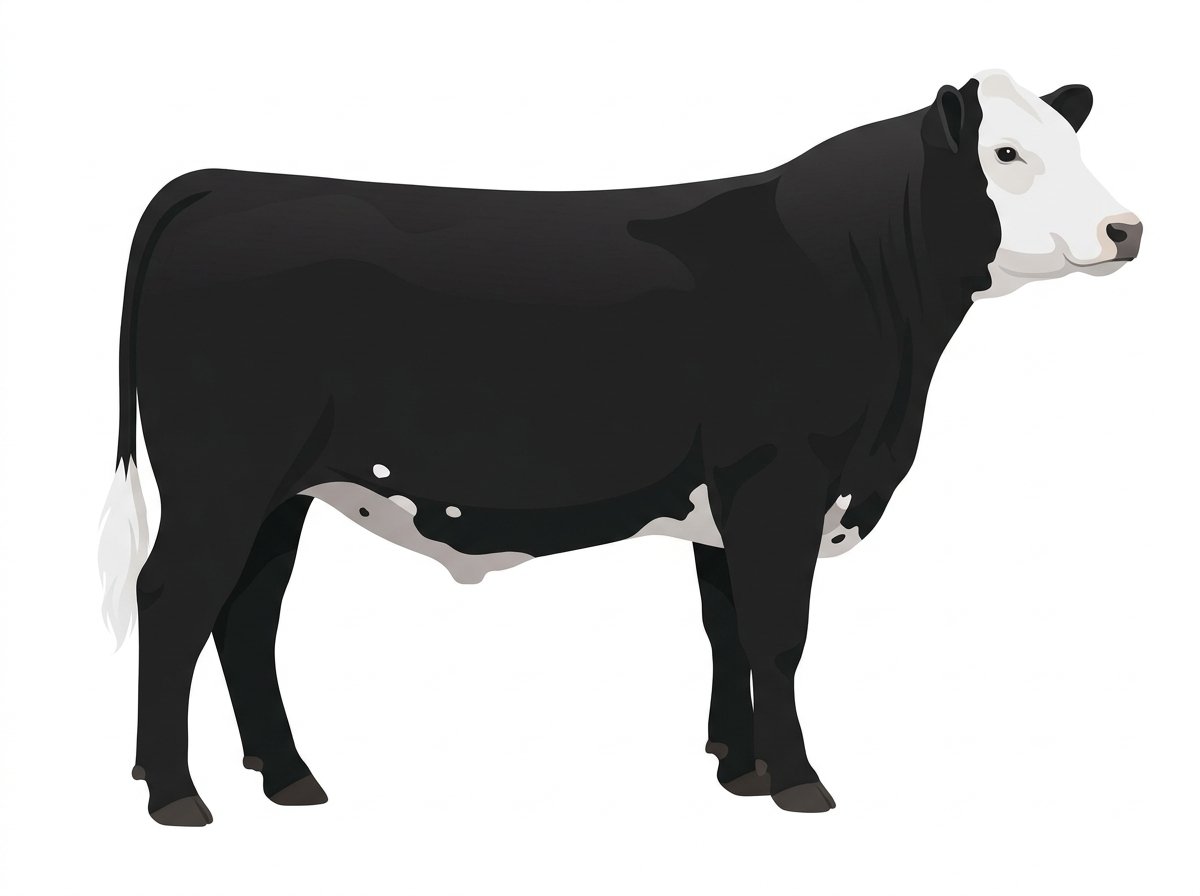
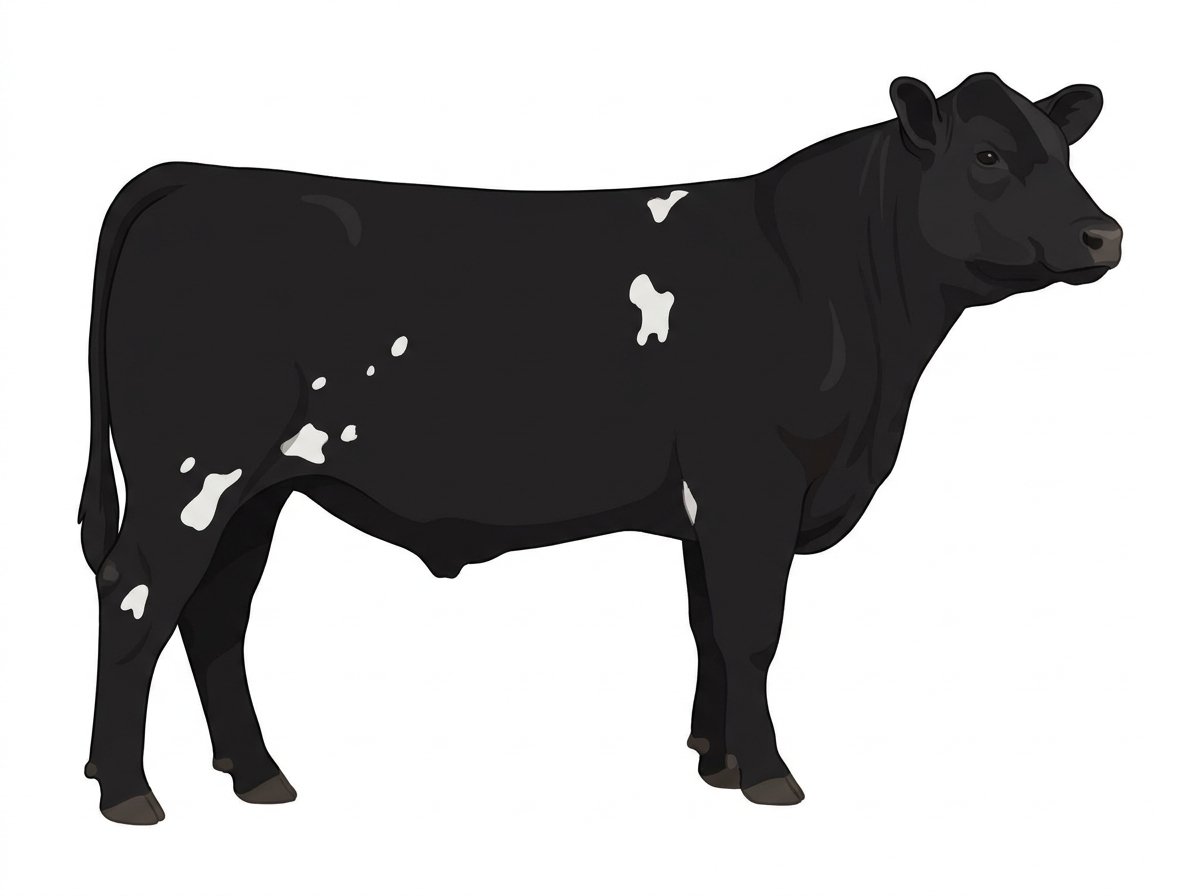
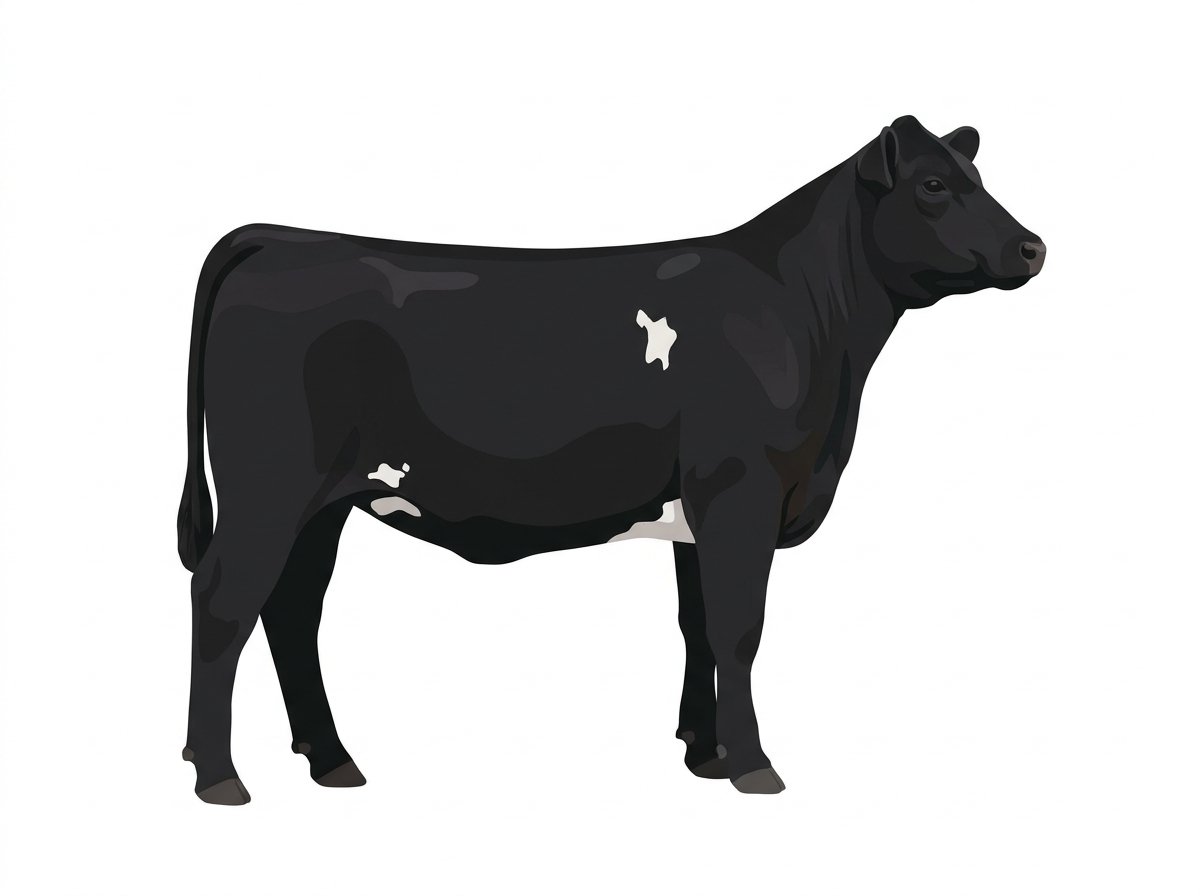
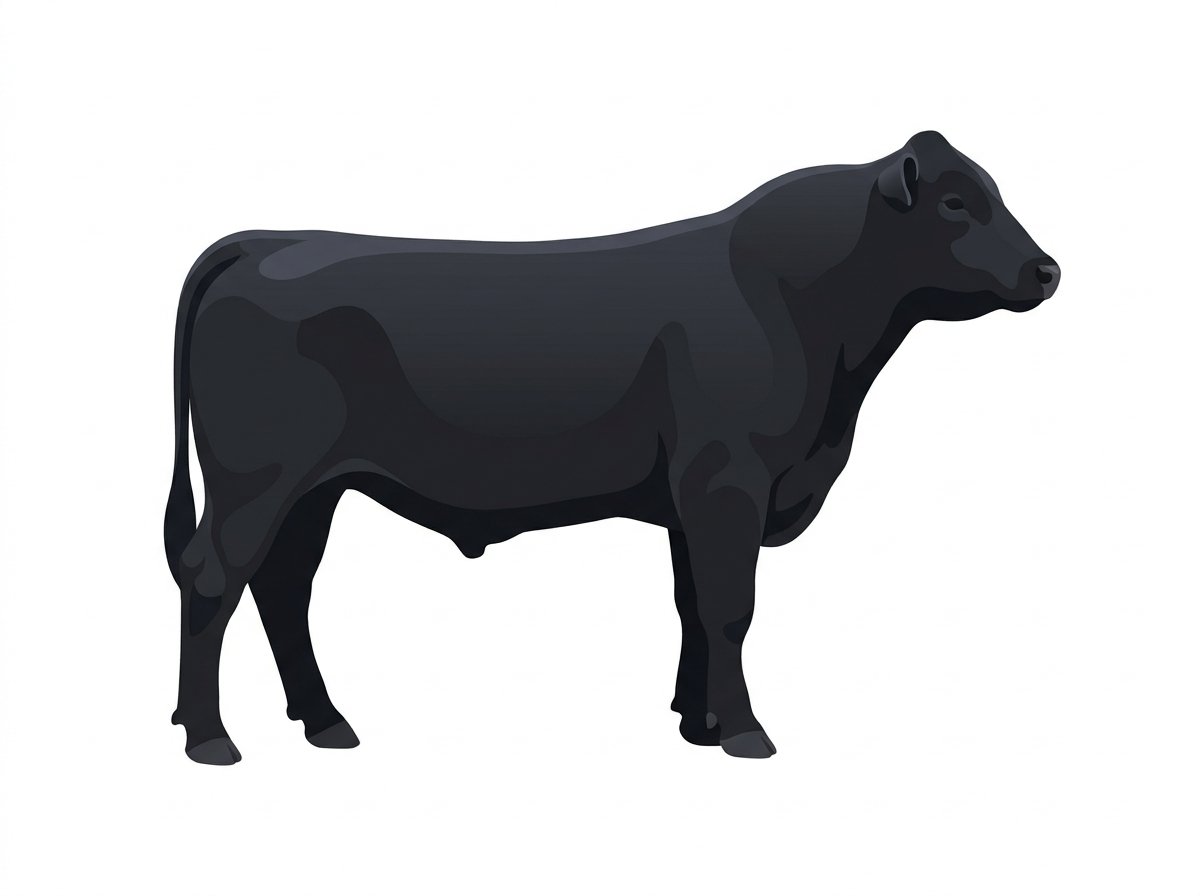
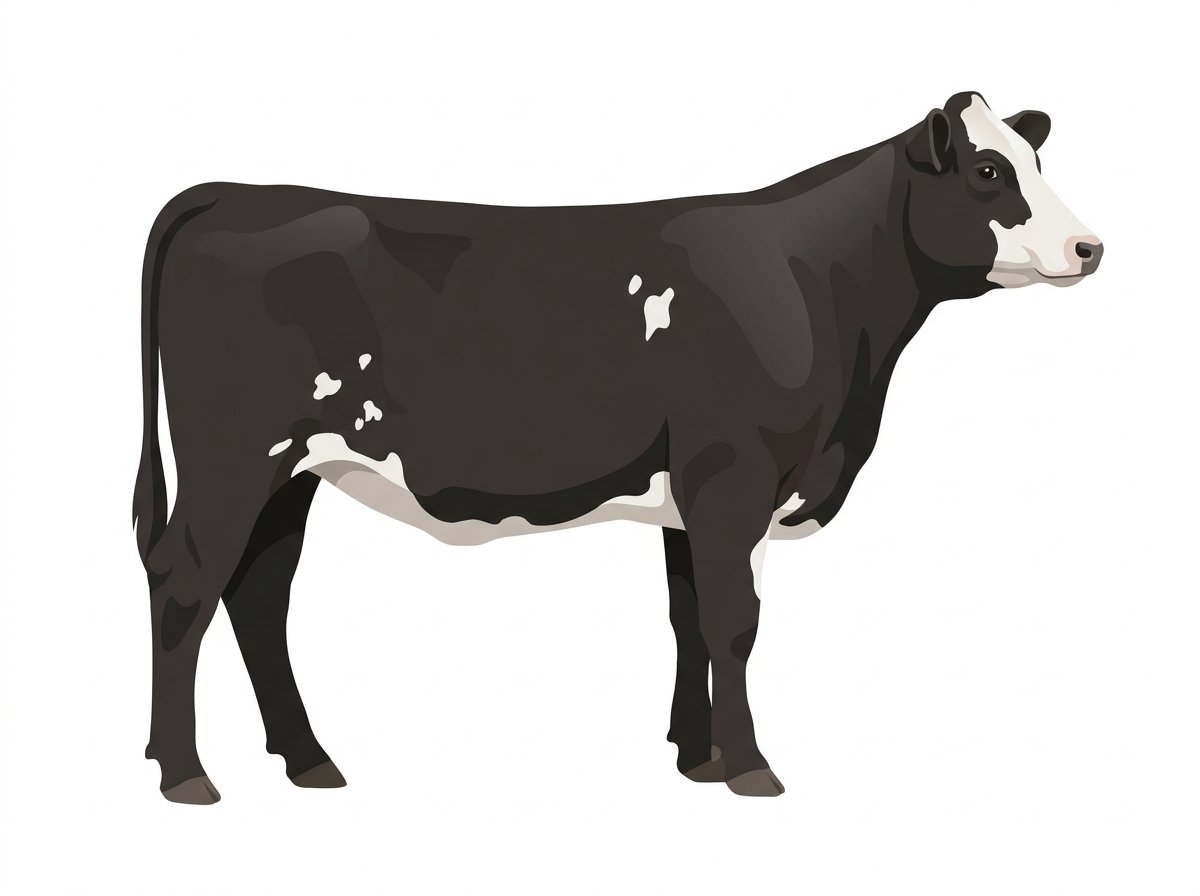
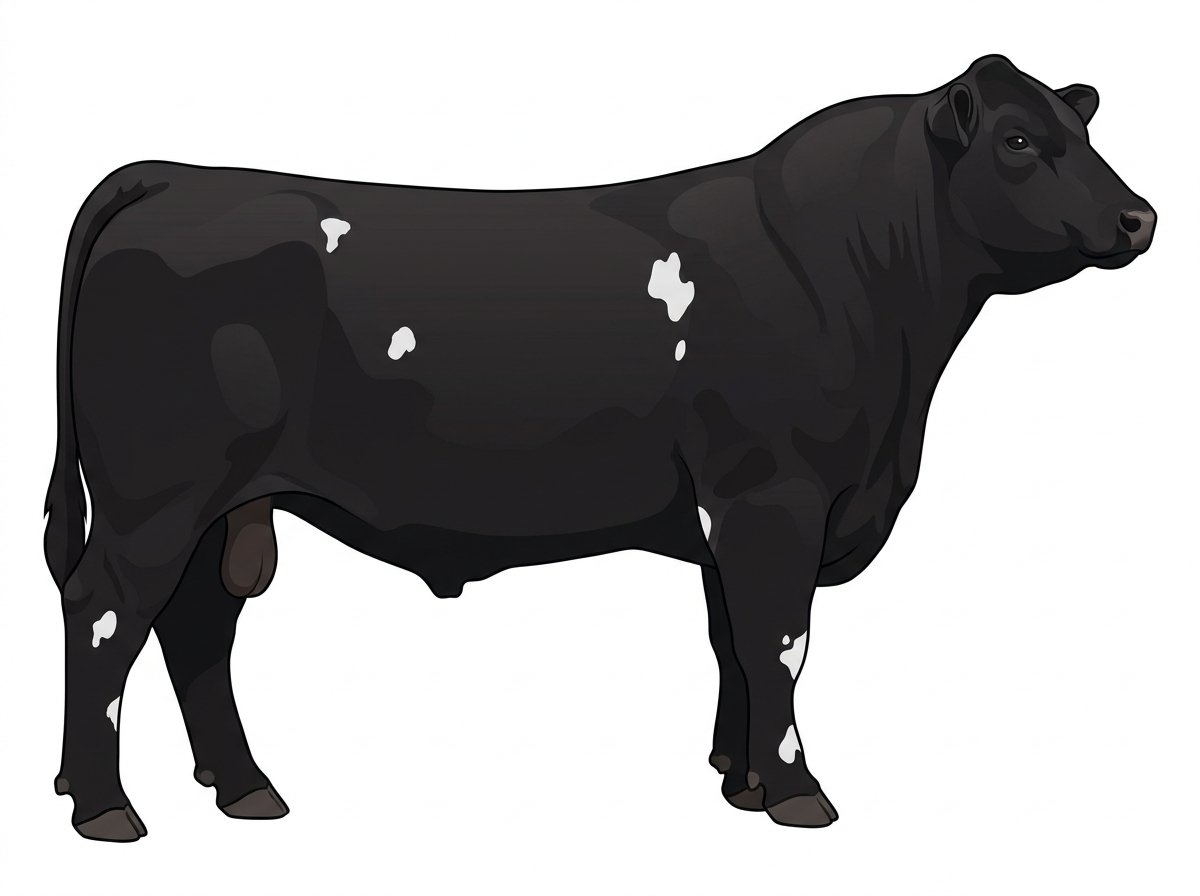
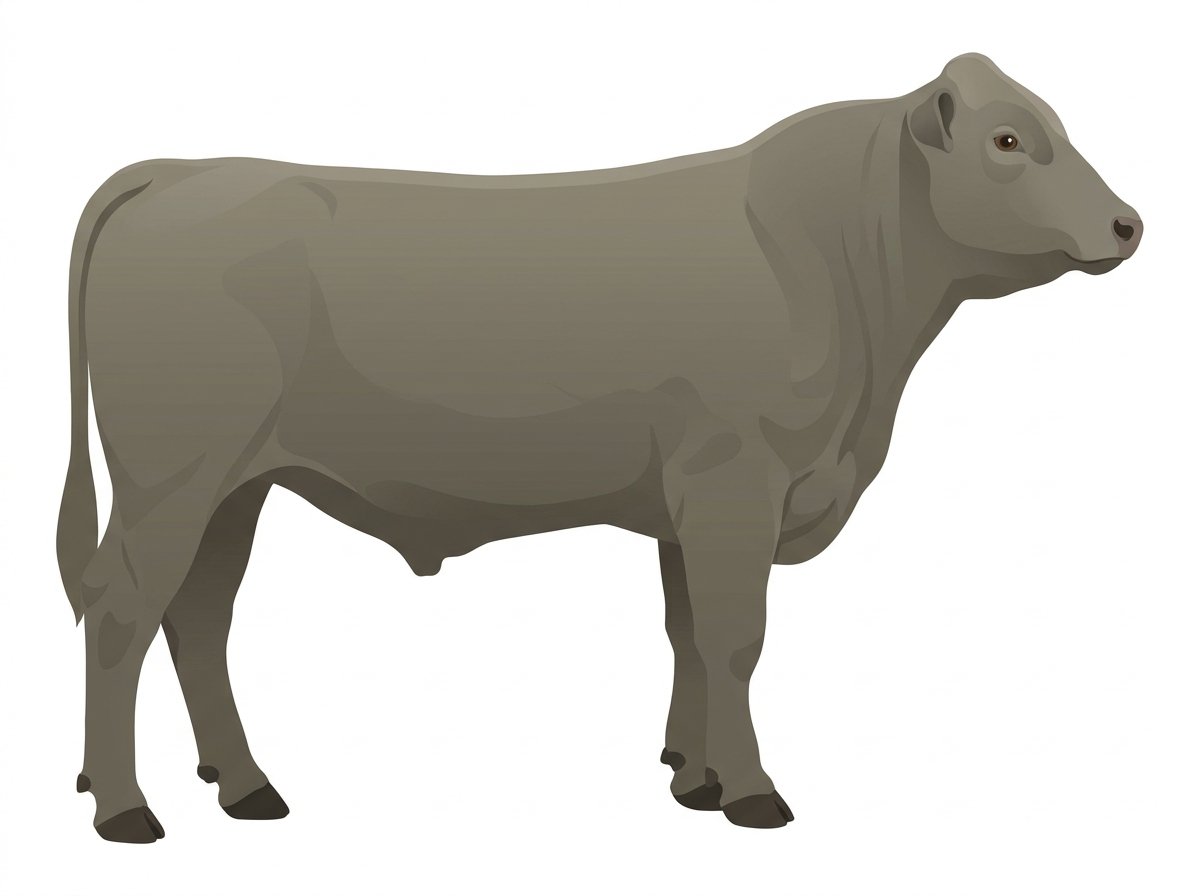
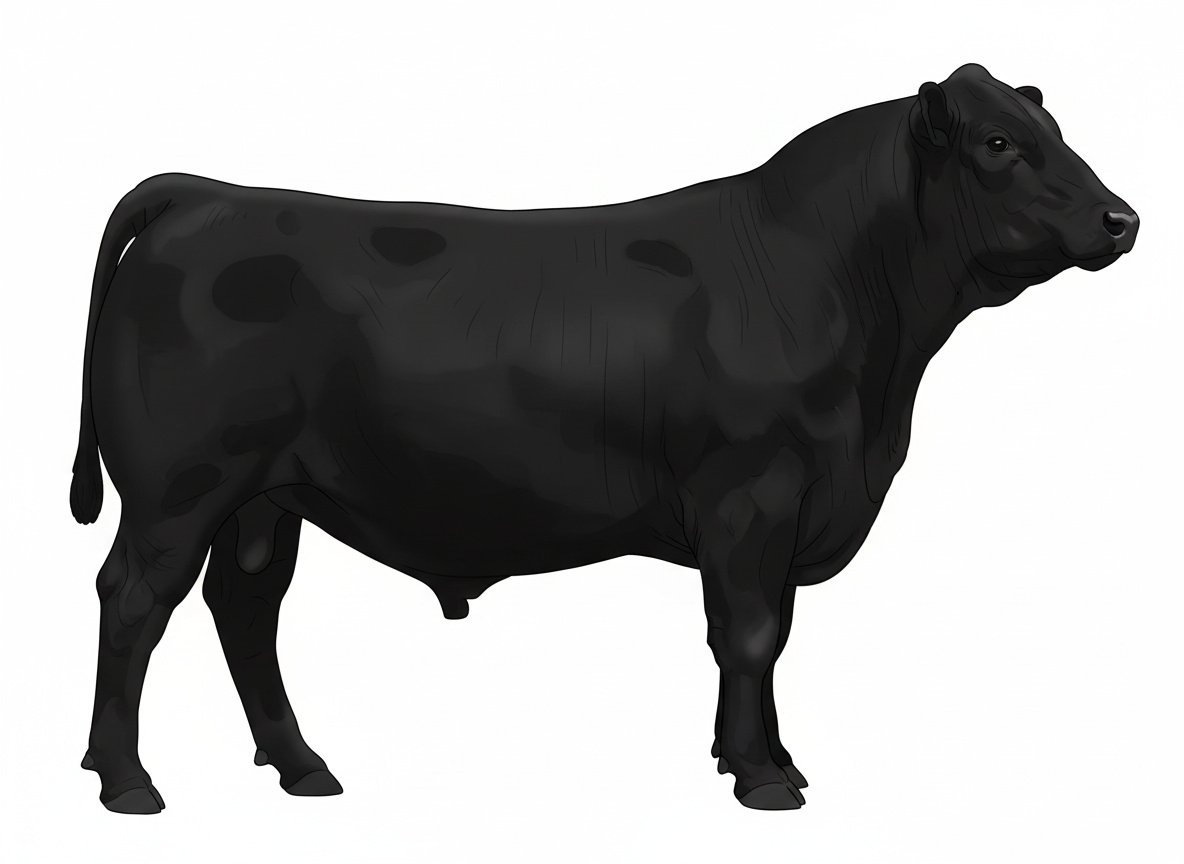
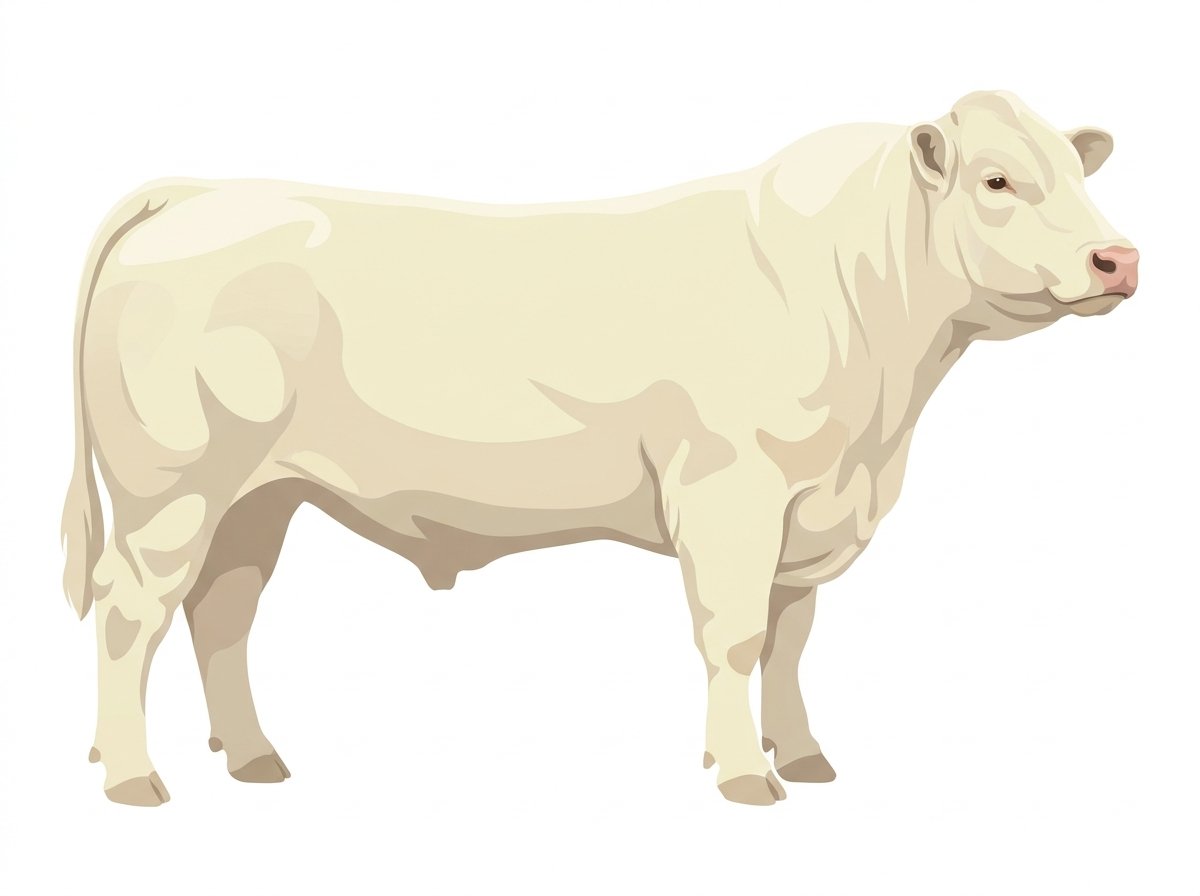
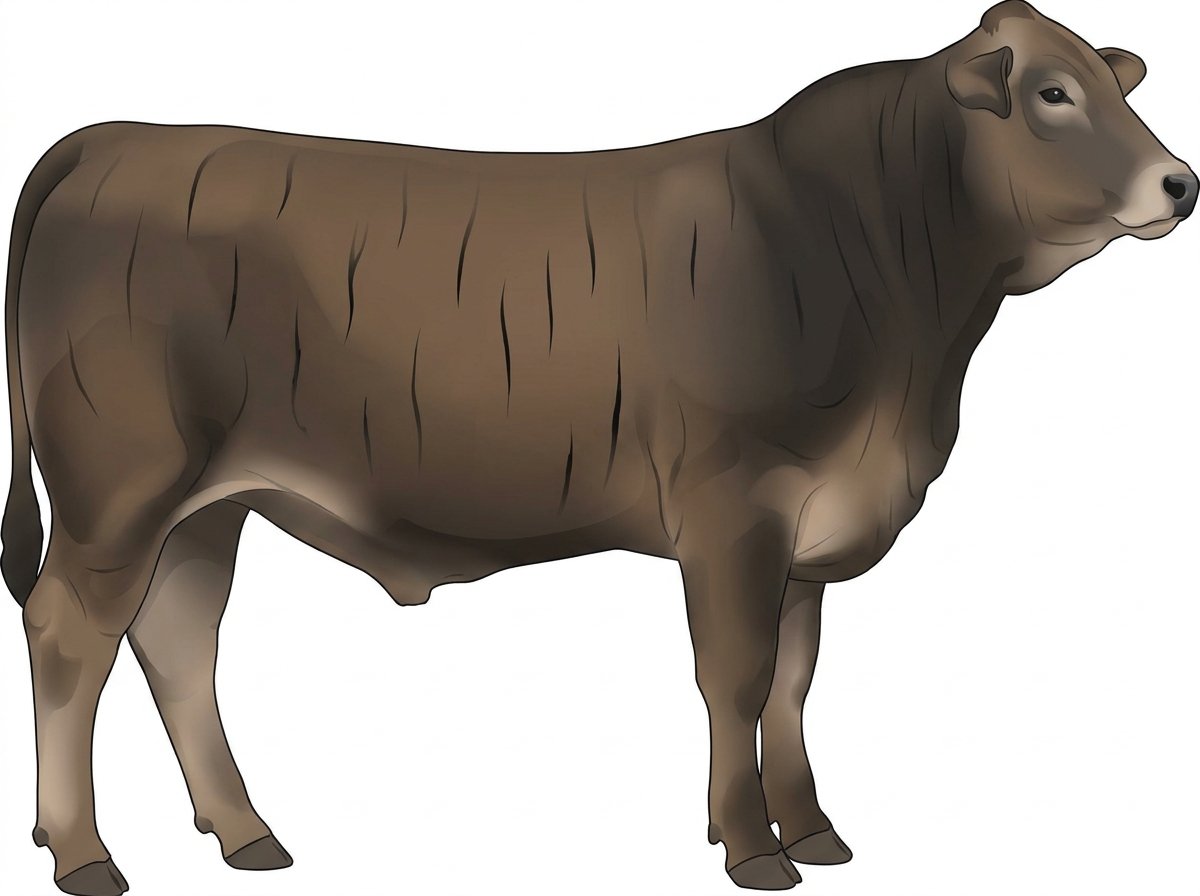
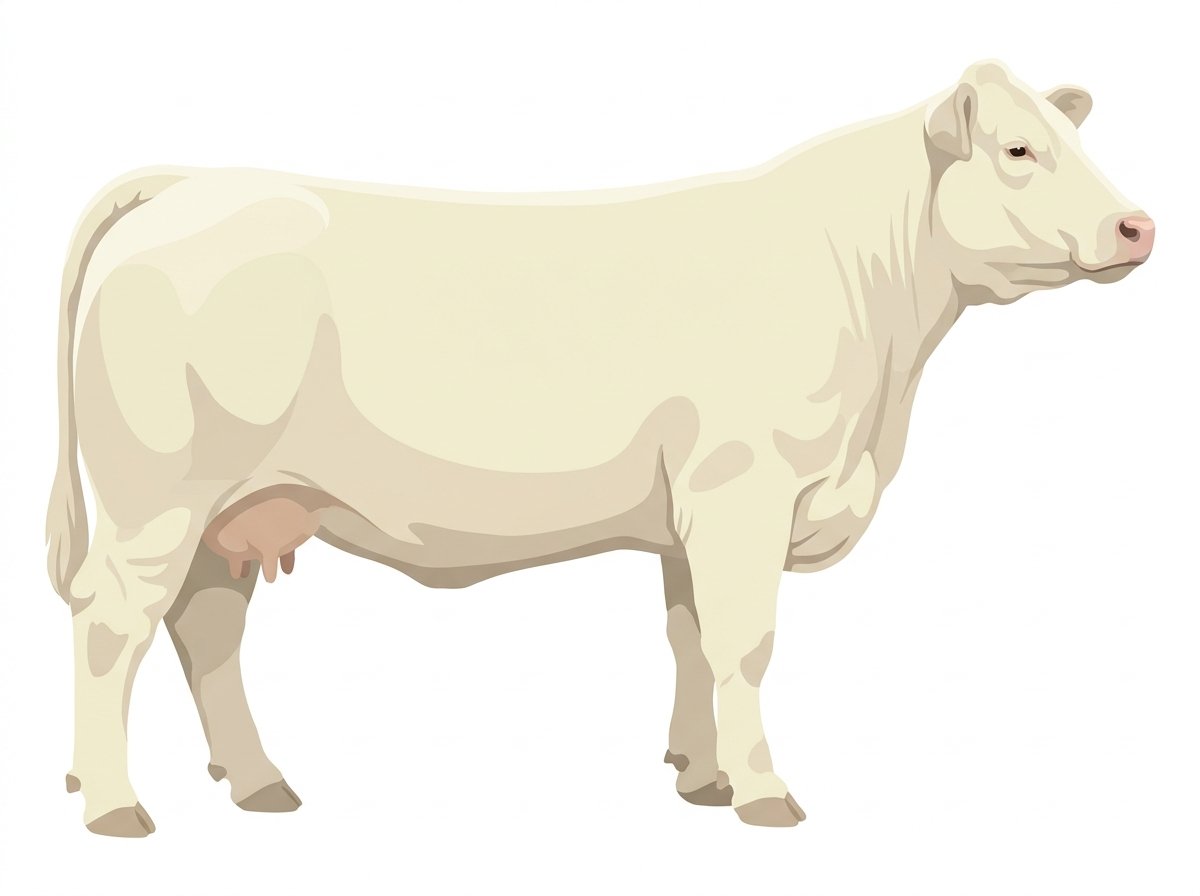
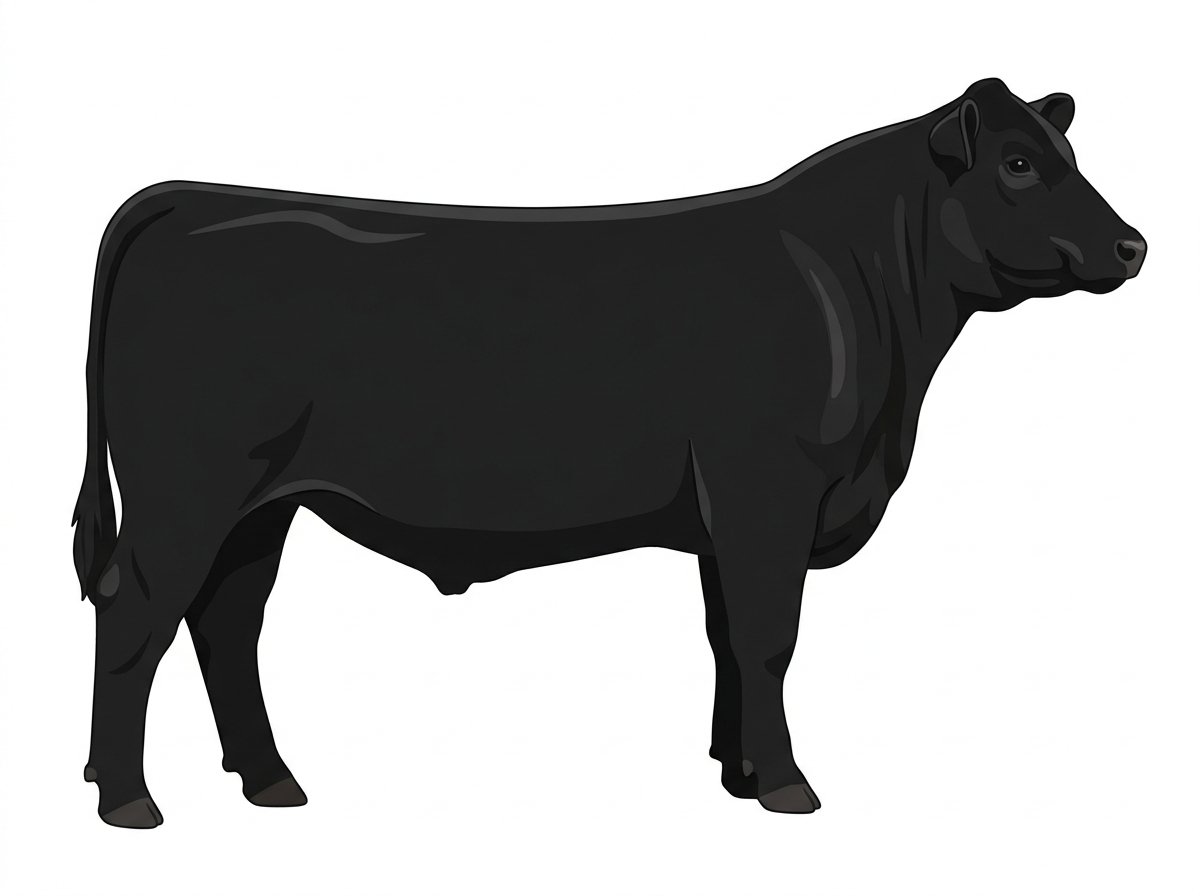
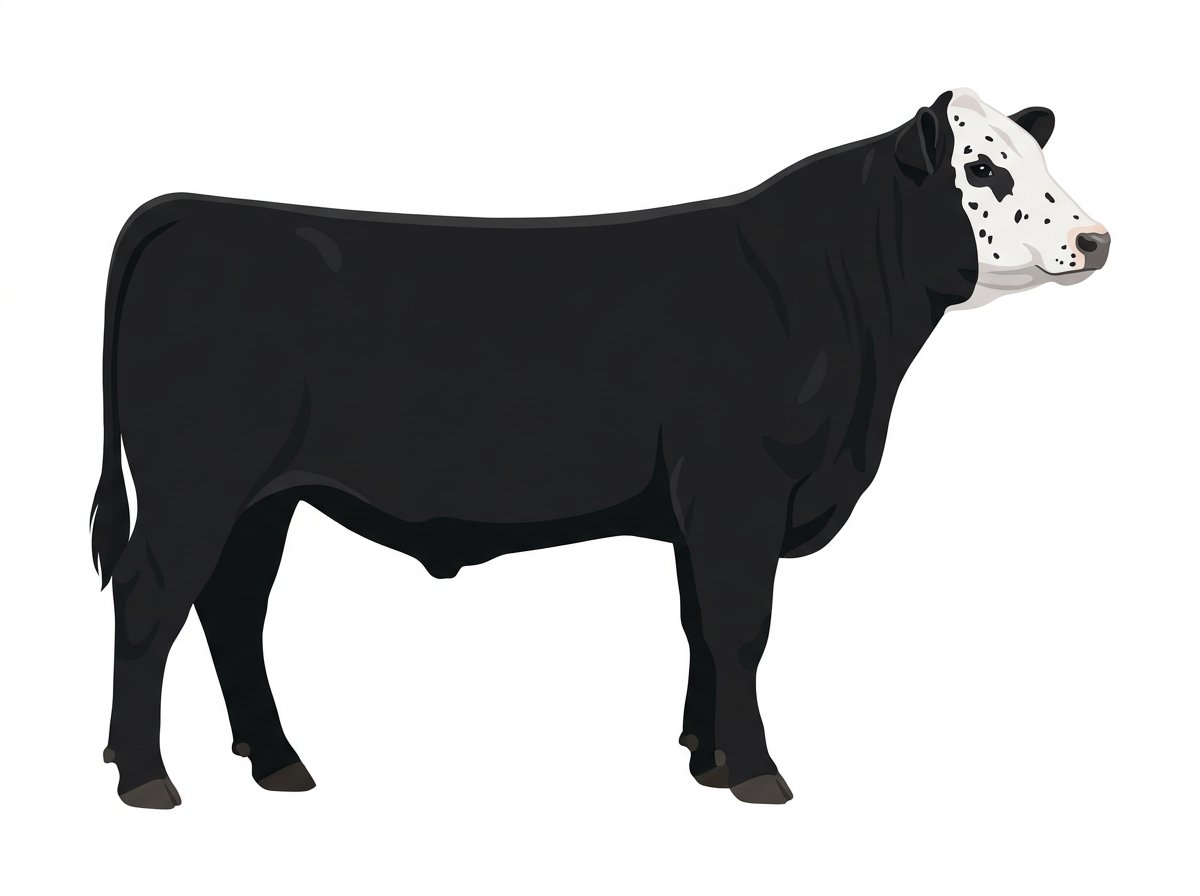
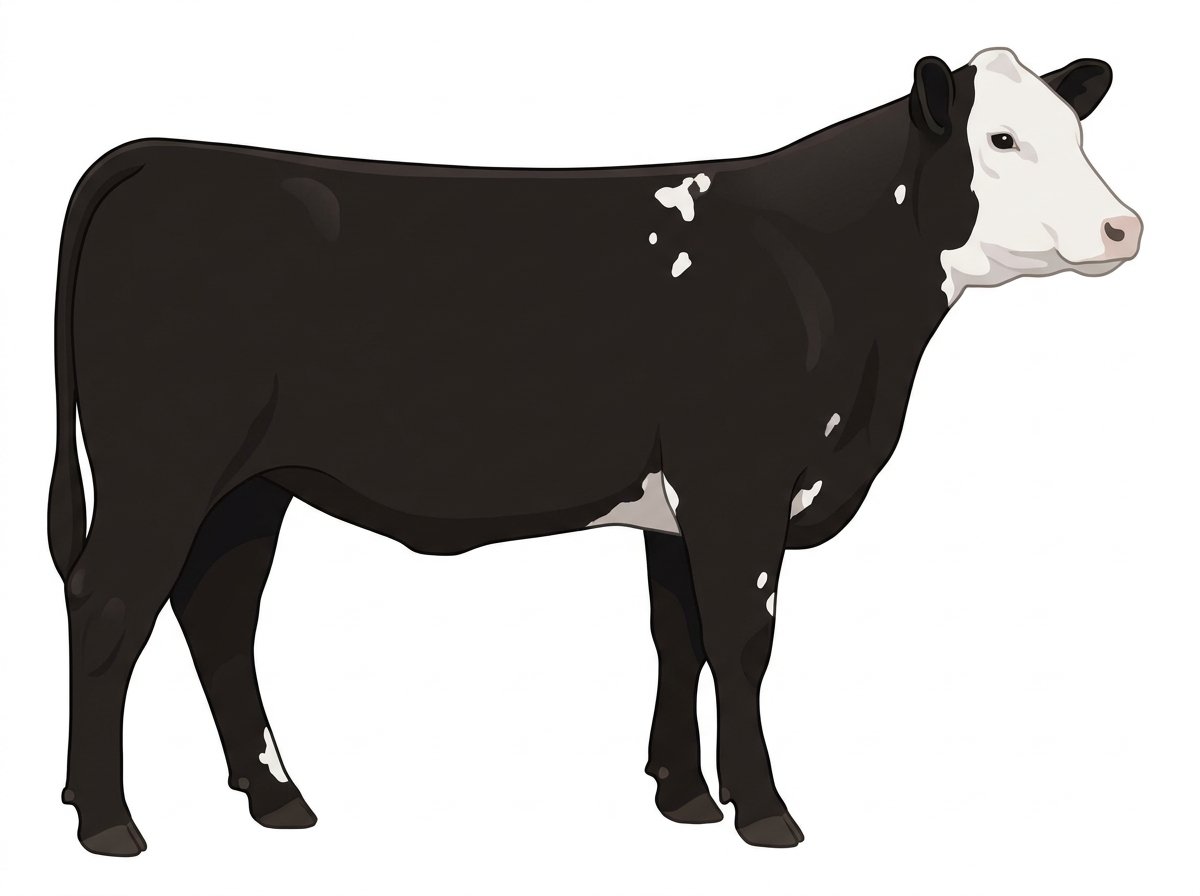
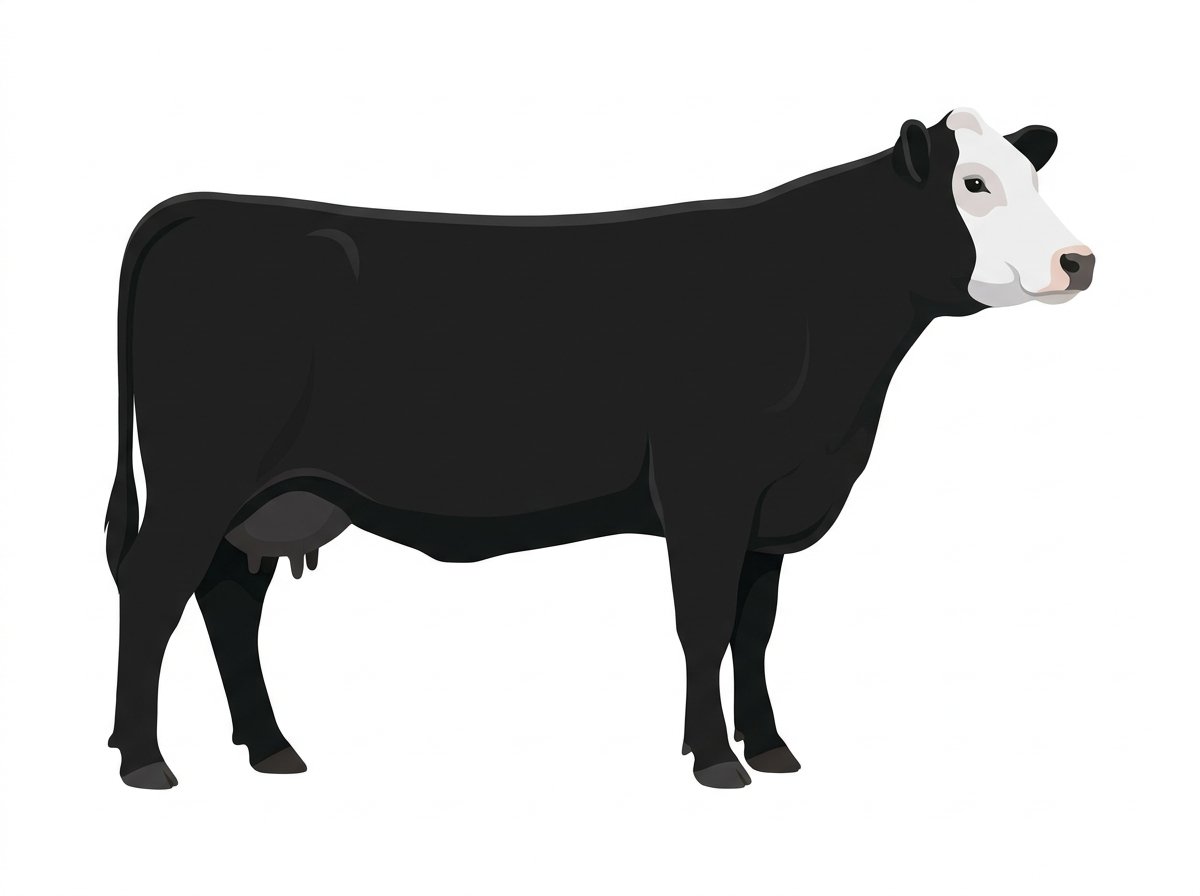
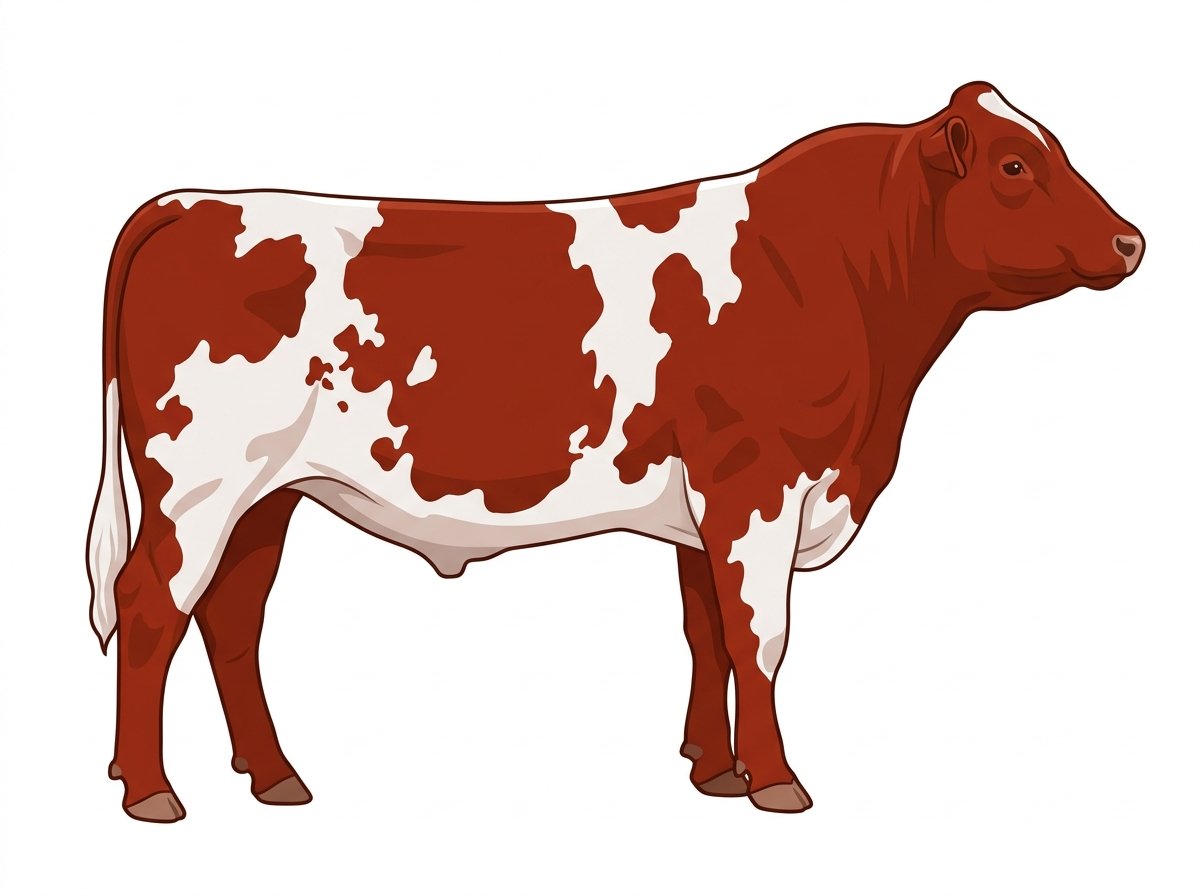
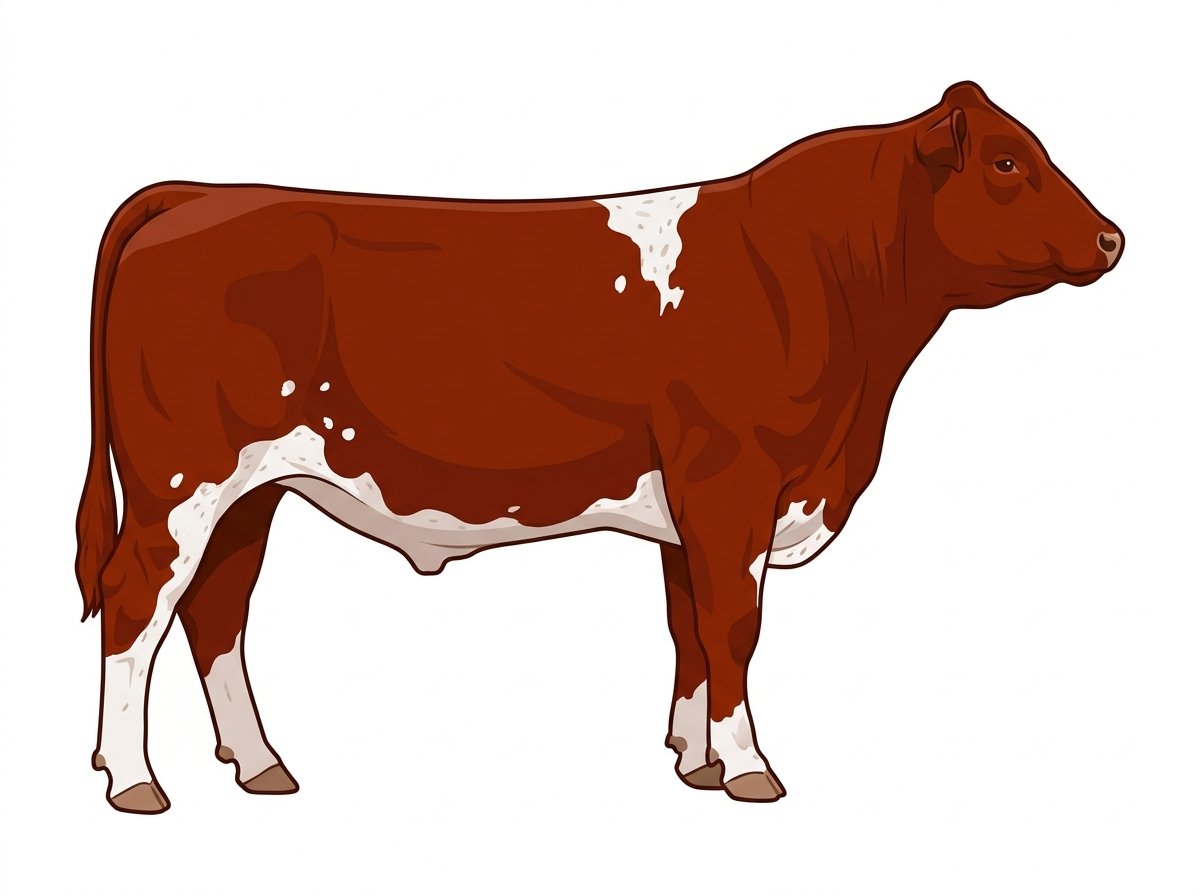
Reserve Grand Champion
#581
Reserve Grand Champion
#550
Reserve Grand Champion
#451
-
Updated
-
Show Schedule Recurring show updated: <strong>Phoenix National</strong> — runs the 31st of each month at 1:00 AM CT. Entry fee 10 credits.
-
Show Schedule Recurring show updated: <strong>Odessa</strong> — runs the 1st of each month at 1:00 AM CT in Texas. Entry fee 5 credits.
-
Show Schedule Recurring show updated: <strong>Western National</strong> — runs the 3rd of each month at 1:00 PM CT. Entry fee 5 credits.
-
Show Schedule Recurring show updated: <strong>Fort Worth</strong> — runs the 4th of each month at 1:00 AM CT in Texas. Entry fee 5 credits.
-
Show Schedule Recurring show updated: <strong>Fort Worth</strong> — runs the 4th of each month at 1:00 AM CT in Texas. Entry fee 850 credits.
-
Show Schedule Recurring show updated: <strong>Fort Worth</strong> — runs the 4th of each month at 1:00 AM CT in Texas. Entry fee 850 credits.
-
Weight Weight is now partially dependent on actual birth weight.
-
Added
-
Shows <strong>Terminal shows.</strong> Some steer shows are now terminal: steers placed in a <span class="badge badge-danger">TERMINAL</span> sub show are sold to the Packer after judging and do not return to your herd. In exchange they show for premiums from a monthly pot instead of entry fees — Grand, Reserve Grand, Breed Champion, Reserve Breed Champion and 1st–5th in every class. Premiums are not cumulative: a steer is paid its single highest award. Look for the red badge on the calendar and the show page, tick the confirmation before you enter, and read the <a href="/Help">Terminal Shows</a> help topic first.
-
Shows A steer entered in a terminal show is <strong>committed</strong>: it can't be listed for auction, and it can't be entered in any show dated after the terminal one. If you sell it before the show, the entry is scratched at check-in. Its record, pedigree and show results stay on file after it goes to the Packer.
-
Added
-
Admin Cattle Diagnostics shows the full birth-weight roll for any animal: every factor, what the model expected, and what was recorded.
-
Calving The cow matters. Bull calves weigh more than heifer calves. First-calf heifers have lighter calves than mature cows, three- and four-year-olds fall in between, and old cows tail off a little. Bigger cows have slightly heavier calves. On an ET calf it is the recipient that counts, not the donor.
-
Calving Calves lost at birth get a birth weight on their record too, and the defect shows in it.
-
Genetics Birth weights. Every calf is weighed at birth and the weight stays on its record for life. It shows on the animal page under Details.
-
Genetics Birth weight comes from the calf's own genetics measured against its breed: calving ease direct (the big one), growth, and frame. A bull with strong calving-ease genetics sires lighter calves; a big-framed, high-growth bull sires heavier ones.
-
Genetics Breed matters. Every breed has its own birth-weight baseline: Angus and Red Angus light, Hereford and Shorthorn in the middle, Simmental, Charolais, Maine-Anjou and Chianina heavy, and the small breeds (Longhorn, Highlander, American Aberdeen, Mini Hereford, Watusi) well below everyone else.
-
Genetics Bos indicus works both ways. A Brahman bull on Bos taurus cows throws heavy calves. A Brahman cow restricts calf size and throws light ones no matter the sire, which is also why straightbred Brahman calves are born small. Brahman-influenced composites carry a share of each effect.
-
Genetics Crossbred calves pick up hybrid vigor at birth: a little for a Bos taurus cross, a good deal more for a Brahman x Bos taurus cross. Inbreeding takes birth weight off.
-
Herd New BW (birth weight) column in the herd list, sortable, and in the CSV export.
-
Changed
-
Calving Calving records now read the calf back, e.g. "Calved to Sire Name: 82 lb bull calf." The calving alert says the same.
-
Cattle Current weight now starts from the calf's actual birth weight instead of a breed average, so a heavy-born calf starts heavy. Weaning, yearling and mature weights are unchanged.
-
Updated
-
Breeding Cattle will only breed naturally/automatically if they have a pasture assigned to them.
-
Registration Santa Gertrudis papers now require a solid red coat — roan, brindle, white markings, and diluted colors no longer qualify.
-
Improved
-
Cattle Breed names now read the way cattlemen say them: Black Baldy / Red Baldy, Tigerstripe, Braford, Charbray, Santa Gertrudis, Red Brangus, Lim-Flex, Balancer, MaineTainer, ChiMaine and Shorthorn Plus join the existing composites. Two-breed crosses now show both sides (3/4 Angus 1/4 Hereford), continental breeds at 7/8 and up are Purebred, and 100% is Fullblood.
-
Added
-
Forum Admins can check "Alert Everyone" when starting a thread to send all players (or only those active in the last 90 days) a bell notification linking to it.
-
Reset
-
Game The game has been reset. All cattle, pregnancies, semen, auctions, show entries, transactions, and balances have been wiped. Everyone starts fresh with $10,000.
-
Game The game has been reset. All cattle, pregnancies, semen, auctions, show entries, transactions, and balances have been wiped. Everyone starts fresh with $10,000.
-
Updated
-
Breed Colors <strong>Brahman</strong> genetics rebuilt. Gray Brahman are wild type with the gray gene; red Brahman are red-based (e/e). Gray is dominant over red: gray × gray can throw a red calf about 1 in 5, red × red is always red. Calves are born smoky and gray out over their first game year; mature bulls develop the darker shading over the neck, hump, shoulders and thighs.
-
Breed Colors <strong>Chianina</strong> and <strong>Piedmontese</strong> are wild type under a fixed porcelain dilution (white body, black points) instead of red-based. ChiAngus come out smoke, Chianina × Hereford a smoke baldy.
-
Breed Colors <strong>Braunvieh</strong> are now a true wild-type brown breed with black points and a pale muzzle ring. Bred to Angus the calves are black; bred to Hereford they are brown baldies.
-
Breed Colors <strong>Highland</strong> carry all three Extension alleles, with dun as the breed's own diluter. Expect red, yellow, dun, silver dun, white, black and brindle in the real-world proportions (red most common).
-
Breed Colors <strong>Simmental</strong> fullbloods are now nearly all white-faced and pied, with about 12% deep red among the golds. <strong>Gelbvieh</strong> are uniformly golden with a pale muzzle. <strong>Limousin</strong> show the pale muzzle ring, eye rings and lighter underline. <strong>Maine-Anjou</strong> fullbloods are red and white. <strong>Hereford</strong> body spotting is now rare.
-
Breed Colors <strong>Shorthorn</strong> now run about 34% red, 49% roan, 17% white. Two copies of roan make a white animal with red ears and muzzle; one copy makes a roan. <strong>Salers</strong>, <strong>Belted Galloway</strong> and <strong>Texas Longhorn</strong> blacks are dominant black.
-
Cattle Images Color descriptions fed to the illustration generator now read like a stockman describing the animal — <em>Gray with darker shading over the neck, hump, shoulders and thighs</em>, <em>Brown brindle with black stripes and a white face</em>, <em>White with red ears and muzzle</em> — so new images match the genetics.
-
Color Genetics Dilutions act on the right pigment. The Simmental/Gelbvieh gold gene only lightens red, so black SimAngus and Balancers stay black. Brown (b/b) only turns black pigment chocolate. A single Charolais dilution copy gives smoke on black and cream on red; two copies give white.
-
Color Genetics Dun is now cattle dun: grey-brown on black, silver dun with two copies, yellow on red. No dorsal stripe or leg barring — that is horse dun.
-
Color Genetics Color now ages on the <strong>game clock</strong> (1 real month = 1 game year). Age-dependent colors such as Brahman gray are refreshed nightly on the animals still changing. Steers are colored like cows; bull-only shading needs an intact male.
-
Show Schedule Recurring show updated: <strong>Noon Jackpot</strong> — runs daily (Mon–Sat) at 12:00 PM CT. Entry fee 1 credits.
-
Show Schedule Recurring show updated: <strong>8 PM Jackpot</strong> — runs daily (Mon–Sat) at 8:00 PM CT. Entry fee 5 credits.
-
Shows Prizes are whole credits: fractional leftovers in a pot go to first place, never to the house.
-
Fixed
-
Classification Show classification checks the coat, not the genetics behind it: a brown tigerstripe no longer passes as <em>solid black</em>, and a black Brangus classifies as black rather than smoke.
-
Color Genetics Hereford, Simmental, Charolais and Limousin bred to Angus could produce brown calves instead of black. Black baldies are black.
-
Color Genetics Coat color was aging on real-world months, so a gray Brahman would not have silvered out for two real years.
-
Color Names Crossbreds were being named after a parent breed — a tigerstripe Braford came up as <em>Traditional Hereford</em> and a Brangus as <em>Black Angus</em>.
-
Removed
-
Color Genetics The tan-point Agouti allele (a dog gene with no cattle counterpart) and the dun dorsal-stripe marking.
-
Added
-
Color Genetics <strong>Dominant black (ED)</strong> is now a real allele. Coat color follows the ED > E+ > e hierarchy: Angus and American Aberdeen are dominant black, so an Angus bull throws black calves no matter what the cow hides underneath. A DNA-style result of Homozygous Black (ED/ED) or Black – Red Carrier (ED/e) now means something.
-
Color Genetics <strong>Wild-type coats.</strong> Animals that are E+ (wild type) with a dominant Agouti allele show a brown body with black muzzle, ears, lower legs and tail switch — the Braunvieh look. Gray Brahman, Chianina and Piedmontese are all wild type underneath their gray or white.
-
Color Genetics <strong>Brindle needs both pigments.</strong> Tiger stripes are black stripes on a red body, so the brindle gene can only show on a wild-type coat. It is silent in a red Hereford (no black) and a dominant-black Angus (no red), and hidden under a fully gray Brahman — then surfaces the moment those animals are crossed. Brahman × Hereford F1s now tigerstripe about 70% of the time, and purebred Herefords, Angus and gray Brahmans never do.
-
Color Names Crossbreds get stockman's names: <strong>Black Baldy, Red Baldy, Smoke Baldy, Tigerstripe, Blue Roan, Red Roan, Belted Black, Red & White</strong>. Breed names (Traditional Hereford, Gray Brahman, Black Angus) are reserved for purebreds.
-
Shows Show payouts are live. Every show now pays out automatically after judging: <strong>70%</strong> of the prize pool goes to class placings, <strong>20%</strong> to breed champions (split 10/10 with the division when the format has one), and <strong>10%</strong> to the Grand and Reserve of each ring.
-
Shows Class placings pay half the class, rounded down (minimum one, maximum five). Payout tables: 1 place 100%; 2 places 75/25; 3 places 63/23/14; 4 places 56/22/13/9; 5 places 51/21/13/9/6. First place in a bigger class always pays more than first in a smaller one.
-
Shows Prize money shows on the results page next to each placing, and winnings post to your balance as a <strong>Show Prize</strong> transaction the moment the show settles.
-
Shows Breed and Division Champion/Reserve split their pot 75/25. Grand/Reserve split the ring pot 75/25, or 45/25/15/10/5 in Top Five shows.
-
Shows You'll get an alert when a show you entered is settled — with your total winnings if you placed in the money.
-
Shows A show's Payout % is the house rake and comes off the top before the pools are split, so a 90% show keeps 10% of all entry fees.
Copyright © Third Row Productions, LLC 2024